Our Products & Mission
At our Scorpion Farms, we specialize in producing scorpion venom from a variety of scorpion breeds, all of which play a crucial role in the pharmaceutical industry and scientific research. Utilizing our advanced farms and laboratories, we proudly produce lyophilised whole purified venom and isolated peptides from a diverse range of scorpion species native to the Middle East and Western Asia.
Our high-quality venom is sourced ethically and with great care, ensuring the safety and well-being of the scorpions. This unique substance is invaluable for developing new medications and targeted treatments that contribute to the health of humanity. By harnessing the power of nature through precise scientific processing, we aim to support advancements in science and medicine, making a positive impact on global health.

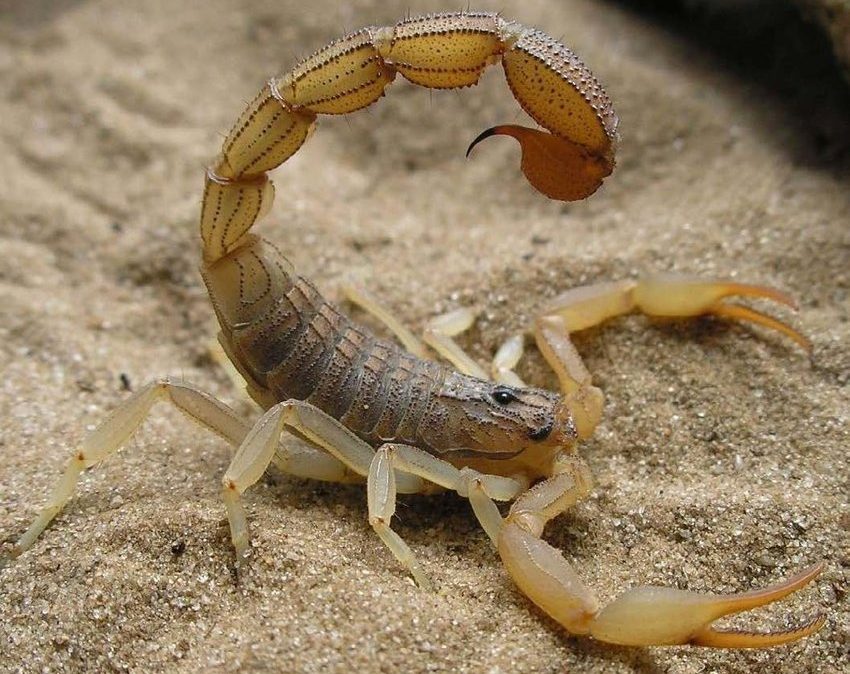
Mesobuthus Eupeus
Commonly known as the Lesser Asian scorpion or spotted yellow scorpion, is one of the most widely distributed species in the Buthidae family, found across the Middle East , and Central Asia. Its venom is a complex mixture of neurotoxins, enzymes, and bioactive peptides that have become a focal point for drug discovery due to their high selectivity for voltage-gated ion channels. Specific peptides like MeuTXKβ1and meucin-18 are being extensively researched for their potent antimicrobial and antimalarial properties, demonstrating effectiveness against antibiotic-resistant bacteria and malaria parasites without significant toxicity to human cells. Additionally, the venom shows remarkable anticancer potential, with studies indicating its ability to induce apoptosis in colorectal cancer and leukemia cells by modulating specific apoptotic genes and inhibiting potassium channels.
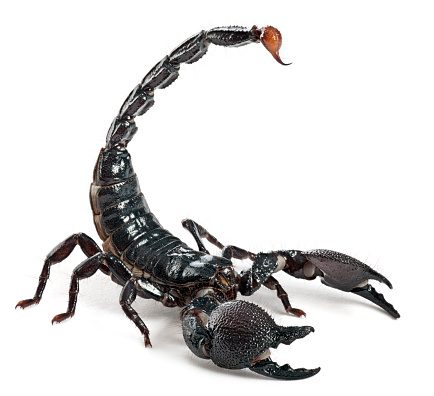
Pandinus Imperator (It is not available)
Please note that
Pandinus imperator is classified as an endangered species according to the Convention on International Trade in Endangered Species (CITES). Consequently, we do not facilitate the provision or sale of this species or its derivative products.
The Pandinus imperator, or Emperor Scorpion, is one of the largest scorpions in the world, primarily found in the rainforests of West Africa and known for its relatively docile nature and mild venom. Its venom contains a unique array of peptides, most notably imperatoxin, which has become a vital tool in biomedical research for its ability to specifically target and modulate ryanodine receptors in heart and skeletal muscles. These peptides are extensively studied for their potential in treating cardiac arrhythmias and understanding calcium signalling pathways, while other components of its venom are being explored for their antimicrobial properties against drug-resistant bacteria.
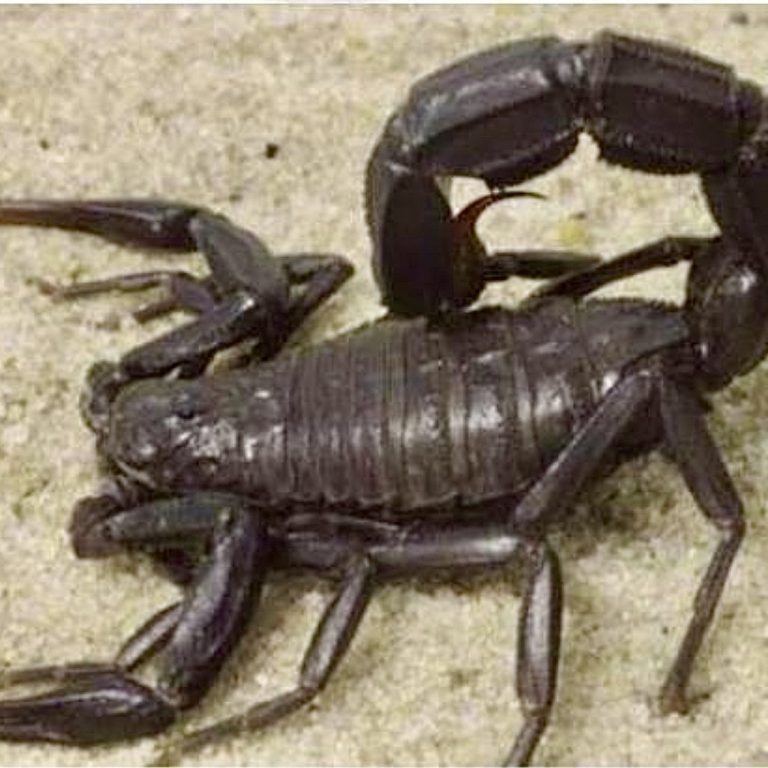
Androctonus crassicauda
Commonly known as the Black fat-tailed scorpion, is one of the most medically significant species in the Middle East and North Africa due to its potent, neurotoxic venom. Its complex biochemical profile is rich in peptides, specifically alpha and beta-toxins that target voltage-gated sodium and potassium channels, leading to the massive release of neurotransmitters. Beyond their lethality, these peptides—such as Acra 1—are subjects of intense pharmacological research for their potential in developing anticonvulsants, analgesics, and even anti-cancer therapies, as they can selectively bind to specific cellular receptors
Hottentotta saulcyi
Commonly known as the Luristan scorpion, is a medically significant species native to the Middle East. Its venom is a complex biochemical mixture primarily dominated by neurotoxic peptidesthat target voltage-gated sodium (Na+) and potassium (K+) channels, which can lead to severe envenomation in humans. Recent pharmacological research from Nature's Scientific Reports and other studies has highlighted the venom's significant anticancer potential, demonstrating its ability to induce apoptosis in breast cancer cells (such as MCF-7 and MDA-MB-231 lines) by disrupting cell membranes and modulating pro-apoptotic genes like P53. Beyond oncology, its diverse peptide profile, which includes enzymes like phospholipases and metallopeptidases, serves as a valuable resource for developing novel therapeutics and more effective antivenoms.
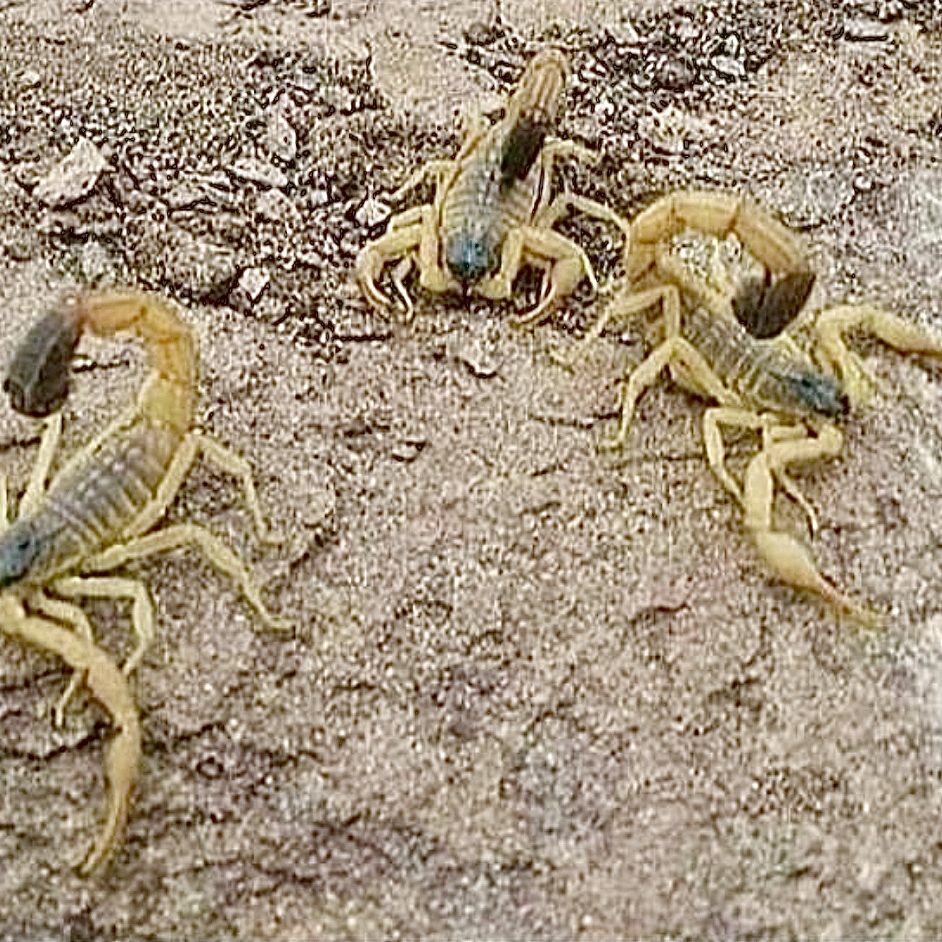
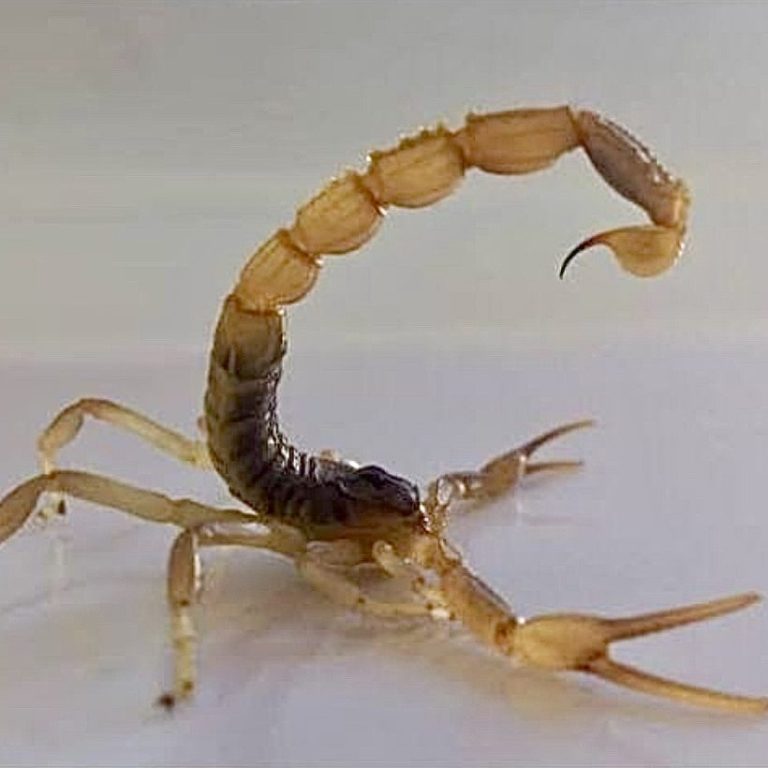
Odontobuthus doriae
Commonly known as the Yellow Scorpion or Doriae scorpion, is a medically significant species endemic to Iran, particularly in the central and southern regions. Its venom is a complex cocktail of neurotoxic peptides that primarily target voltage-gated sodium and potassium channels, which can cause symptoms ranging from severe local pain to systemic cardiovascular complications in humans. In the realm of biomedical research, peptides from O. doriae, such as OdK1 and OdK2, have shown significant promise for their ability to selectively block potassium channels, making them valuable templates for developing treatments for autoimmune diseases and certain neurological disorders. Furthermore, recent studies are investigating the venom's anticancer potential, particularly its ability to inhibit the proliferation of various human cancer cell lines through the induction of programmed cell death.
Hemiscorpius lepturus
Commonly known as the Gadim scorpion, is a highly dangerous species native to the Middle East. Unlike most scorpions whose venom is primarily neurotoxic and causes immediate pain, the Gadim's venom is primarily cytotoxic and hemolytic, often resulting in painless stings that lead to severe, delayed skin necrosis, renal failure, and even death. Its complex venom contains potent peptides and enzymes like Heminecrolysin, a dermonecrotic phospholipase D similar to those found in brown recluse spiders, as well as ion channel blockers such as Hemicalcin (calcium channels) and Hemitoxin (potassium channels). Beyond its toxicity, research into these peptides has revealed significant anticancer potential, showing effectiveness in inhibiting human breast cancer and lung cancer cell lines, as well as anti-HIV activity and antioxidant properties, making them valuable templates for drug discovery.
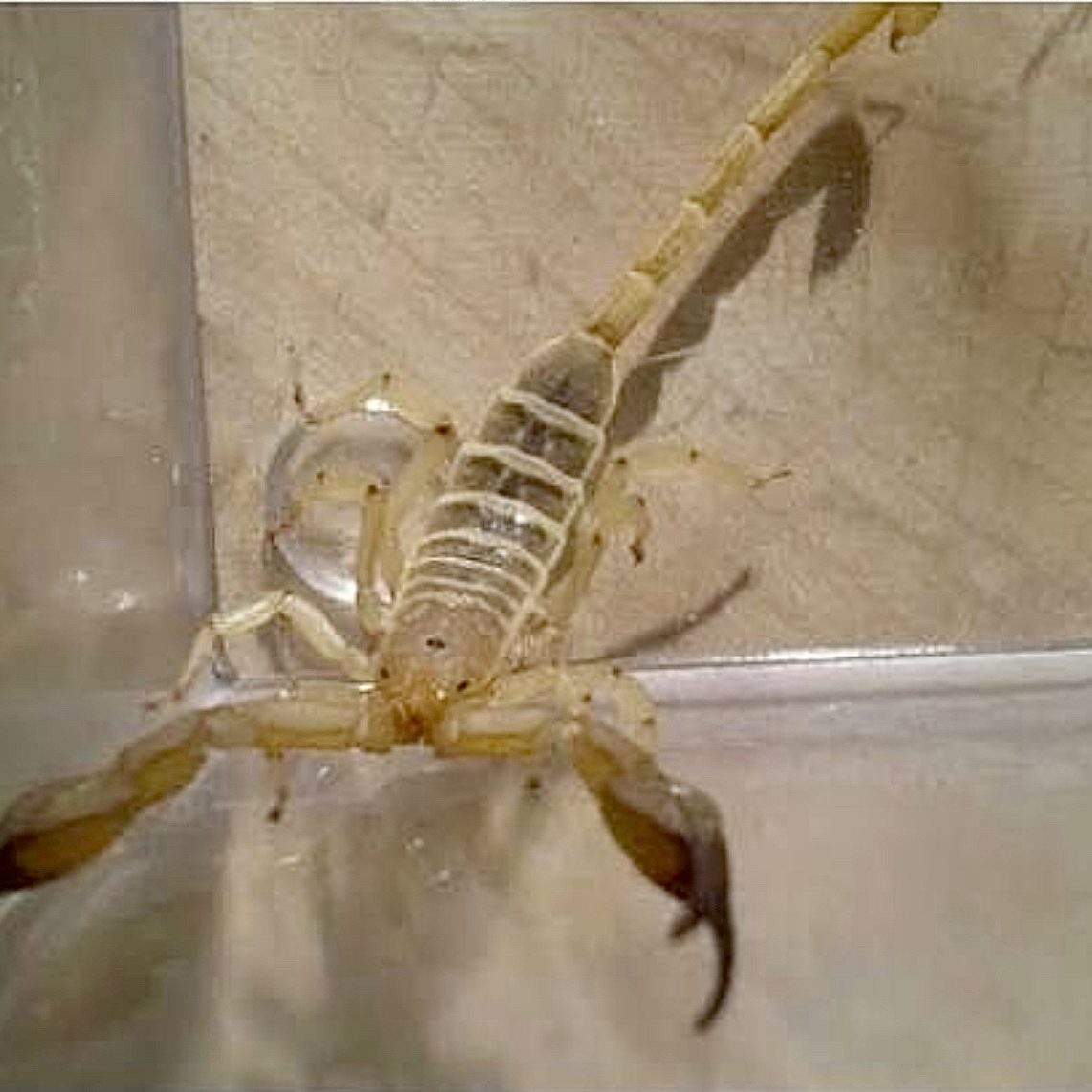
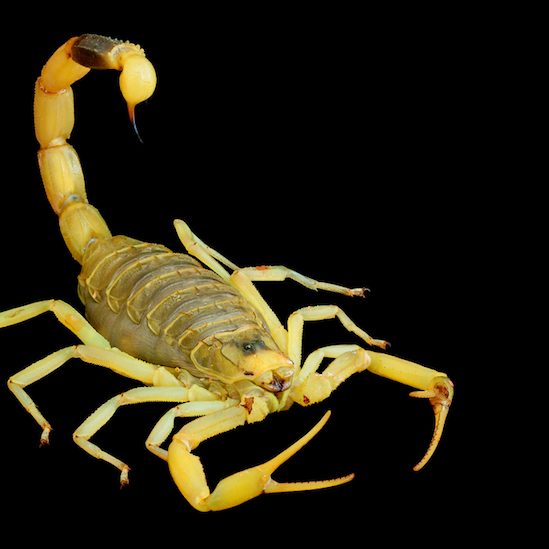
Leiurus quinquestriatus (It is not available)
Commonly known as Deathstalker is widely regarded as one of the most dangerous scorpions in the world, found across the arid regions of North Africa and the Middle East. Its venom is a highly potent cocktail of neurotoxins, including chlorotoxin, charybdotoxin, and scyllatoxin, which primarily target sodium and potassium channels. Despite its lethal reputation, the Deathstalker's venom is a goldmine for biomedical research; chlorotoxin has the remarkable ability to bind specifically to cancer cells, leading to the development of "tumor paint" that helps surgeons identify the precise margins of brain tumors during surgery. Additionally, its peptides are being studied for their potential in treating diabetes by regulating insulin secretion and as non-addictive alternatives for chronic pain management.
Address
80 Dorcas St., Southbank 3006, Victoria, Australia
Contact
Telephone: +61(4)66057024
E-mail: info@mv-kajdom.com
Office hours
Monday – Friday
9am – 5pm